
A Beginner's Guide to Renovating a Period Property
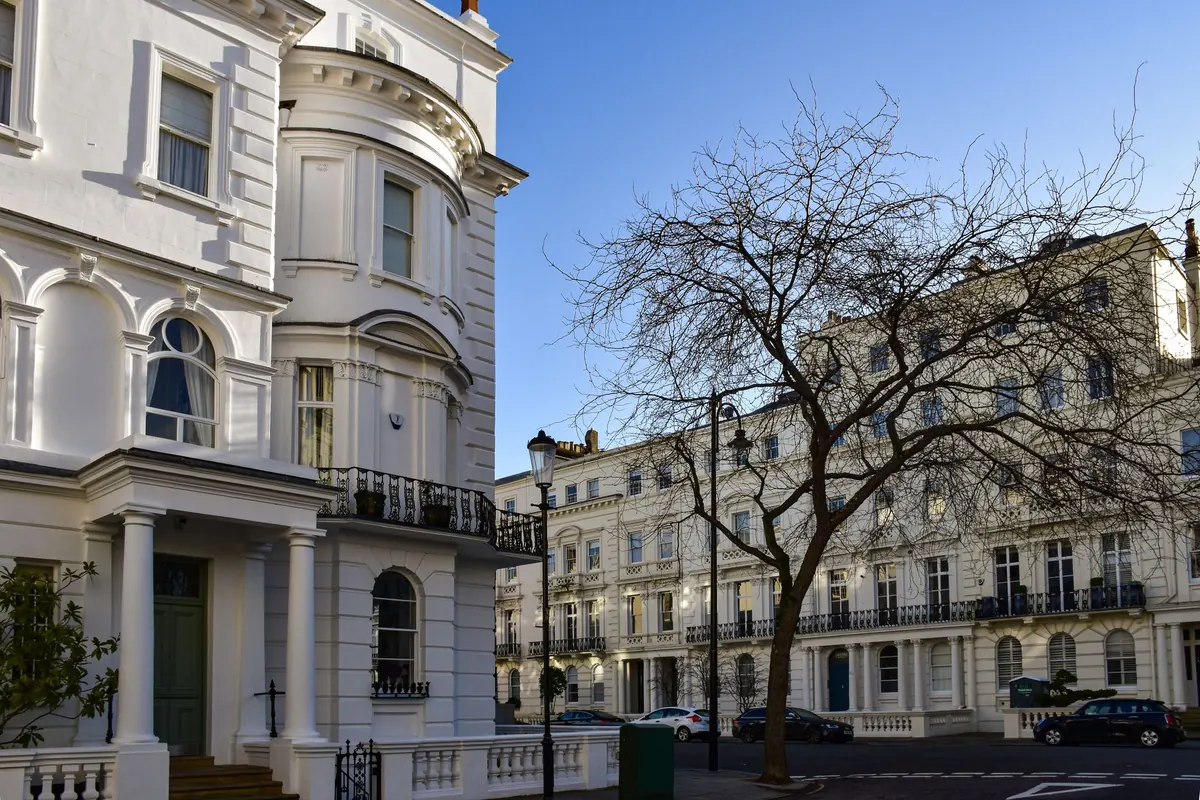
A period property is a romance at first viewing and a puzzle by the second. The sash windows rattle, the plaster sounds hollow, there is a damp patch behind the wardrobe and the boiler has a name. None of that is necessarily bad news. Much of what frightens buyers in an old house is original, fixable, or both — and quite often cheaper to repair than to replace. The trick is to understand what you have before you change it, and to spend money in the right order.
Surveys come before sledgehammers
For an old building, a basic valuation is not enough. Commission a full building survey from someone who regularly works on period property. If the house is listed, visibly moving, or you plan to remove walls or chimney breasts, add a structural engineer's report. Ask the surveyor what they think about damp, timbers and any previous alterations, not just whether the house is worth the money.
On damp in particular: there are three broad kinds — rising, penetrating and condensation — and the cheapest-sounding cure is often the wrong one. Get a diagnosis from someone who will not profit from the remedy. A firm selling chemical injections will almost always find rising damp to inject.
Walk the house yourself with a torch and a notebook, and check:
- Roof, chimneys, flashings and leadwork
- Gutters, downpipes and drainage — ground levels built up against a solid wall are a common culprit
- Damp: where it is, when it appears, and whether it changes with the weather
- Timber: floor joists, lintels, roof structure, any sign of beetle or rot
- Services: the age of the wiring, pipework, boiler and radiators
- Previous work: cement render, gypsum plaster, chimney breasts removed, steel lintels inserted
Listed building consent, and other permissions
If the building is listed, you need listed building consent for works that affect its character as a building of special architectural or historic interest. That covers the inside as well as the outside. It is separate from planning permission, and carrying out work without it is a criminal offence that attaches to the building, not only to you. It can also make the property very hard to sell later.
Consent is not a rubber stamp. The application is judged on detail: how the new work sits with the old, what materials you intend to use, and whether repair could sensibly replace replacement. Photographs, drawings and a short written explanation all help.
Before you design anything, telephone the conservation officer and ask for pre-application advice. That conversation is free and can save you thousands. It is far easier to shape a scheme around their concerns than to argue your case after a refusal.
Also check conservation area rules, Article 4 directions (which can remove permitted development rights), party wall matters with neighbours, any covenants, and tree preservation orders. Rules differ across the UK, so confirm what applies where you are. For anything binding or expensive, take professional legal and planning advice rather than relying on a forum thread.
Materials that let old buildings breathe
Most houses built before the twentieth century have solid walls, no cavity and no damp-proof course. They manage moisture by letting it move: water evaporates out through the fabric. Cement render, gypsum plaster and modern plastic paints block that route. Trapped moisture then finds the timbers instead, and you get rot, blown brick faces and frost damage.
- Use lime mortar for repointing and lime plaster internally. It is softer than the brick, so it flexes with movement and allows walls to dry.
- Match the original mortar in colour, aggregate and strength. A hard, impermeable mix will eventually crack the bricks around it.
- Rake out joints by hand where you can. Angle grinders take the arris off soft bricks and you cannot put it back.
- Choose breathable paints and limewash over vinyl silk.
- Repair sash windows rather than replace them. New cords, draught-proofing, repaired sills and secondary glazing usually cost less than replacements and keep the consent intact.
- Buy reclaimed where it shows: bricks, slate, clay tiles, floorboards, cast iron. Sizes and colours matter on a visible elevation.
Budgeting for the unexpected
The money goes into what you cannot see: the roof, the drainage, the timbers, the wiring, the foundations. Budget for those first, then decide what is left for kitchens and bathrooms. Hold a contingency. Ten per cent is a reasonable starting point on a well-surveyed house; on a first period project, or a house that has stood empty, assume more. You will find something.
- Weathertight: roof, gutters, drainage, external joinery. Water is what damages old buildings.
- Structural: timbers, lintels, walls, floors.
- Services: rewiring, plumbing and heating, all done before plaster.
- Insulation and draught-proofing: carefully, and with specific advice for solid walls and roof voids.
- Plaster, joinery, decoration.
- The nice-to-haves: gardens, driveways, the shed you have been sketching.
Get three itemised quotes for major jobs and be suspicious of the vaguest one. Agree in writing how variations will be priced. Pay in stages against completed work rather than handing over a large deposit up front. VAT on building work can be complicated, since repairs and alterations are not always treated the same way, so ask an accountant before you assume. Tell your insurer before work starts, as many standard policies do not cover a house mid-renovation.
Finding the right people
Ask the conservation officer, a local historic buildings trust or your surveyor who they would use. Good old-house builders tend to be booked well ahead, which is a decent sign rather than a warning.
When you meet a builder, ask how they handle lime, how they would repair a sash window and what they would do about a damp patch. If every answer involves ripping something out and starting again, keep looking. Put scope, price, timescale, payment schedule and the process for agreeing changes in writing, and speak to previous clients. For listed buildings, an architect or surveyor with conservation accreditation is worth the fee.
A sensible order of work
Survey, then permissions, then get the water out of the building, then make the structure sound. Only after that should services, insulation, plaster and decoration follow. Living on site is manageable if you keep one warm, watertight room, a working kettle and a bathroom; it becomes miserable if you strip the whole house at once.
Old houses have already outlived most of the work done to them. Treat yours as the next custodian rather than the last owner, and the decisions — and the spending — get considerably easier.
Photo: AXP Photography / Pexels